
Giving this season? An EPIÁRA consultation, delivered on the day you choose.Giving this season?Give a consultation →

The early EPIÁRA routines that shaped the practice

Our Founding Cases

The early skin journeys that shaped how EPIÁRA works today.

Before EPIÁRA became a formal skincare advisory service, its approach was developed through close observation, careful routine changes, and the lived experiences of the people at its foundation.

Not perfect transformations. Real skin, real learning, and the beginnings of a more considered approach.

Before EPIÁRA

These weren’t client success stories. They were experiences that shaped how we think about skin.

Long before EPIÁRA officially launched, skincare was already part of our everyday conversations — researching ingredients, questioning common recommendations, and slowly rebuilding routines for the people closest to us. Those experiences became the foundation for the approach we use today.

Better skincare did not always begin with adding more.

Not every skin concern needed another product.

Not every routine needed another step.

And not every recommendation should begin with what was trending.

A more deliberate way to make skincare decisions.

One that starts with understanding the person before selecting the product.

One that values formulation over branding.

One that believes every recommendation should have a clear reason for being there.

These stories don’t represent guaranteed outcomes. They represent the lessons that helped define the standards behind EPIÁRA.

The founding cases

Four starting points. Find the one that sounds like your skin.

Each case began with a different concern, history, lifestyle, and level of experience with skincare. Read the one that feels closest to where you are.

The founding cases are the people closest to EPIÁRA’s founders — family, and the founders themselves. They are published as the practice’s own history, not as client endorsements.

Schyler — EPIÁRA founding case

Founding Case 01

Schyler

Late teens

  • Hormonal acne
  • Cystic breakouts
  • Barrier disruption
  • Hyperpigmentation

Years of prescriptions that worked temporarily — until she learned to treat the hormonal pattern driving the inflammation, not just the breakouts themselves.

Read her story

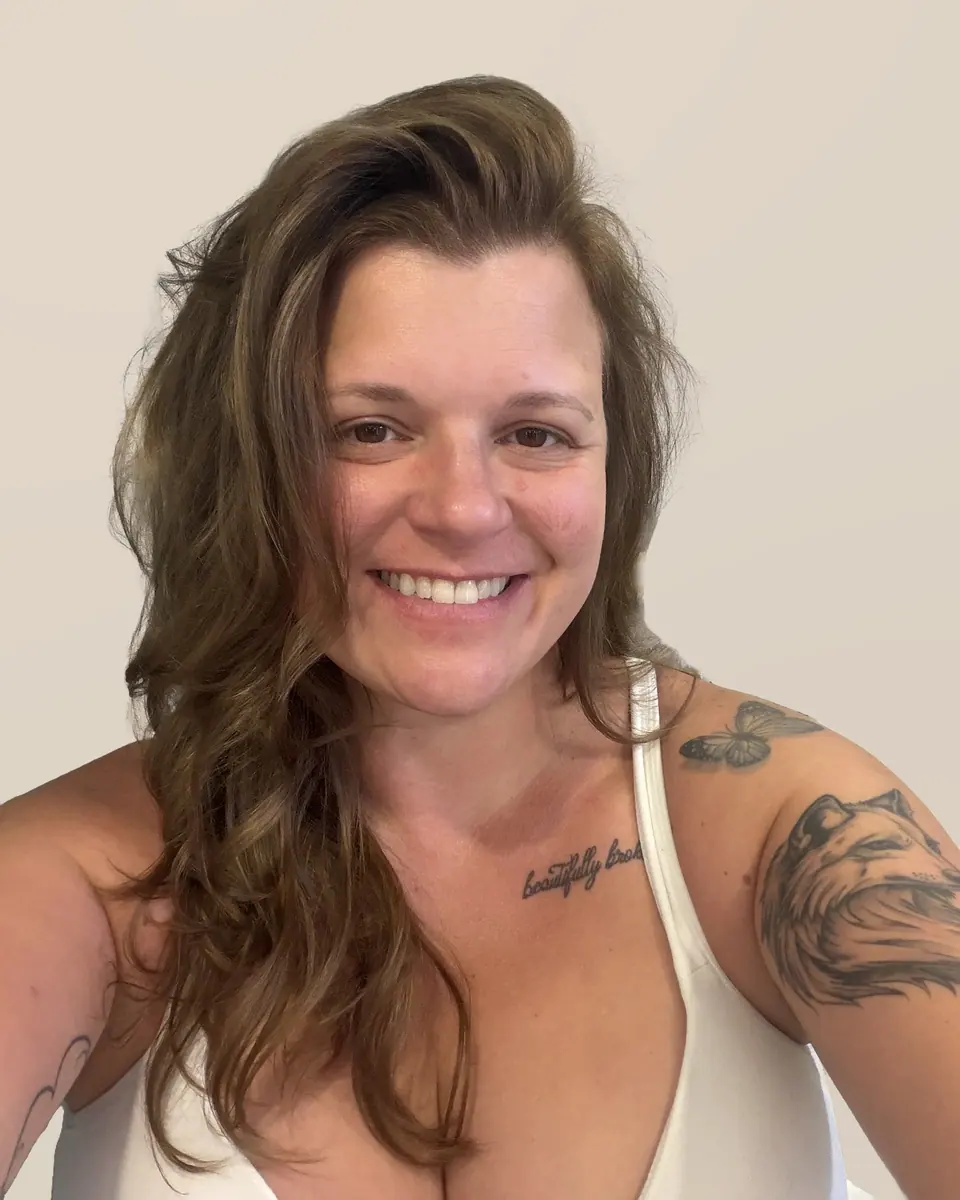
Sunni — EPIÁRA founding case

Founding Case 02

Sunni

Mid twenties

  • Dry
  • Compromised barrier
  • Hormonal acne
  • Dermatillomania
  • Sensitivity

Skin that looked oily and acne-prone but was deeply dry underneath — and a routine that needed to address the barrier, the breakouts, and the picking cycle at the same time.

Read her story
The barrier support products in Nathan’s routine

Founding Case 03

Nathan

Mid forties

  • Barrier disruption
  • Environmental reactivity
  • Redness and flushing
  • Dehydration
  • Scaling

Reactivity so unpredictable that even a hot shower could cause a reaction. The goal wasn’t transformation — it was getting through an ordinary day without his skin becoming the problem.

Read his story
Shannin — EPIÁRA founding case

Founding Case 04

Shannin

Mid forties

  • Dry skin
  • Dehydration
  • Preventative aging
  • Sun protection
  • Routine consistency

No established routine, outdoor work in the sun every day, and an unpredictable schedule. The plan had to be realistic enough to actually follow before it could do anything else.

Read her story

Across the Founding Cases

Different skin. Different circumstances. The same commitment to understanding first.

Each founding case began with a different concern, history, lifestyle, and level of experience with skincare.

Their regimens were not built from a shared product list or a standard treatment path. They were shaped by what each person’s skin was communicating and what their daily life could support.

  • The visible concern was rarely the whole story

    Dryness could appear alongside oiliness. Fine lines could become more visible through dehydration. Redness could reflect barrier disruption, environmental stress, or a concern requiring medical evaluation.

  • The first priority was not always correction

    In several cases, the skin needed hydration, barrier support, consistency, or relief from irritation before stronger corrective products could be considered responsibly.

  • Simplicity had to be personal

    A manageable routine did not mean the same number of products for everyone. It meant removing unnecessary decisions and creating a plan each person could understand and realistically continue.

  • Progress required continuity

    Products mattered, but so did consistent use, gradual introduction, professional referral when appropriate, and enough time to observe how the skin responded before changing direction.

What the founding cases showed

They did not reveal one perfect routine. They revealed the value of building the right routine for the person in front of us.

Your place to begin

Your skin does not need to resemble a founding case to deserve thoughtful guidance.

You do not need to arrive with the right terminology, a clear explanation, or a routine that already makes sense. Begin with what you have noticed, what has not been working, and what you would like to understand more clearly. EPIÁRA will help determine the most appropriate next step.

Our founding cases

The early skin journeys that shaped how EPIÁRA works today.

Before EPIÁRA became a formal skincare advisory service, its approach was developed through close observation, careful routine changes, and the lived experiences of the people at its foundation.

These cases did more than demonstrate what thoughtful skincare guidance could accomplish. They helped define the standards, systems, and principles behind every regimen we build now.

What these are, and are not

Not perfect transformations. Real skin, real learning, and the beginnings of a more considered approach.

In this file

Case 01 Schyler Hormonal acne
Case 02 Sunni Barrier + acne
Case 03 Nathan Reactivity
Case 04 Shannin Dryness + aging

The founding cases are the people closest to EPIÁRA’s founders — family, and the founders themselves. They are published as the practice’s own history, not as client endorsements.

Before EPIÁRA

These weren’t client success stories. They were experiences that shaped how we think about skin.

Long before EPIÁRA officially launched, skincare was already part of our everyday conversations.

We found ourselves researching ingredients, questioning common recommendations, comparing formulations, and slowly rebuilding routines for the people closest to us. Every decision became an opportunity to observe how skin responded — not just to products, but to consistency, education, and individualized care.

Those early experiences became the foundation for the approach we use today.

What we were learning

Better skincare did not always begin with adding more.

Not every skin concern needed another product.

Not every routine needed another step.

And not every recommendation should begin with what was trending.

What we were building

A more deliberate way to make skincare decisions.

One that starts with understanding the person before selecting the product.

One that values formulation over branding.

One that believes every recommendation should have a clear reason for being there.

These stories don’t represent guaranteed outcomes. They represent the lessons that helped define the standards behind EPIÁRA.

The founding cases

Four starting points. Find the one that sounds like your skin.

Each case began with a different concern, history, lifestyle, and level of experience with skincare. Read the one that feels closest to where you are.

These stories don’t represent guaranteed outcomes. They represent the lessons that helped define the standards behind EPIÁRA.

Across the founding cases

Different skin. Different circumstances. The same commitment to understanding first.

Each founding case began with a different concern, history, lifestyle, and level of experience with skincare. Their regimens were not built from a shared product list or a standard treatment path. They were shaped by what each person’s skin was communicating and what their daily life could support.

  • The visible concern was rarely the whole story

    Dryness could appear alongside oiliness. Fine lines could become more visible through dehydration. Redness could reflect barrier disruption, environmental stress, or a concern requiring medical evaluation.

  • The first priority was not always correction

    In several cases, the skin needed hydration, barrier support, consistency, or relief from irritation before stronger corrective products could be considered responsibly.

  • Simplicity had to be personal

    A manageable routine did not mean the same number of products for everyone. It meant removing unnecessary decisions and creating a plan each person could understand and realistically continue.

  • Progress required continuity

    Products mattered, but so did consistent use, gradual introduction, professional referral when appropriate, and enough time to observe how the skin responded before changing direction.

What the founding cases showed

They did not reveal one perfect routine. They revealed the value of building the right routine for the person in front of us.

Your place to begin

Your skin does not need to resemble a founding case to deserve thoughtful guidance.

You do not need to arrive with the right terminology, a clear explanation, or a routine that already makes sense. Begin with what you have noticed, what has not been working, and what you would like to understand more clearly. EPIÁRA will help determine the most appropriate next step.